
Ferry Packing Checklist: What to Keep in Your Hand Luggage and Car
A practical tick-box guide to packing for a ferry crossing, covering documents, hand luggage and the...

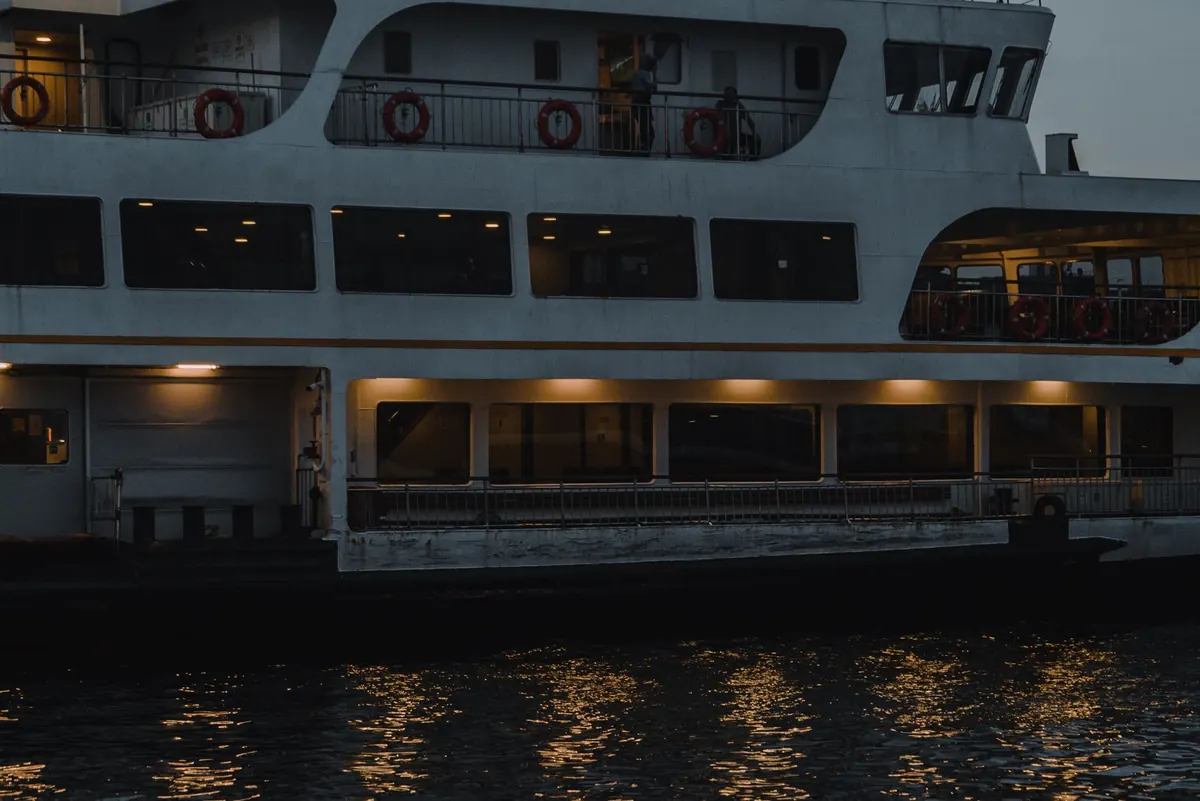
A night crossing to France or Spain can turn a long drive into an evening meal, a film and a few hours’ sleep. You wake up closer to your destination, often with breakfast already served. But a sleeper ferry is not simply a floating hotel. Cabins differ sharply, dining has its own timetable, and boarding deadlines are firmer than many travellers expect. Here is what to know before you book.
The main appeal is time. A sailing from Portsmouth to Caen, for example, can leave after dinner and arrive before breakfast, leaving you a full day in Normandy. For Spain, routes such as Portsmouth to Santander or Bilbao replace a long, tiring drive through France with a proper night’s rest. You also avoid paying for a hotel and a day of motorway tolls.
That said, sleep quality is not guaranteed. Some people sleep soundly; others wake at every engine note. If you know you struggle to sleep on boats, a daytime crossing or a shorter route may suit you better.
Most overnight ferries offer a range of cabins. The cheapest are inside cabins with no window. Outside cabins have a porthole or window, which can help you wake naturally. Nearly all have a private shower and WC, but space is tight. Beds come as bunks, twins or doubles depending on the ship and route.
Where you sleep matters as much as what you book. Cabins lower down and midship feel less movement. If you are prone to seasickness, ask for one of those.
Restaurants usually open soon after departure. You might find a self-service buffet, a waiter-service restaurant, a café and a bar. On bigger ships, dinner may run in sittings, so check the times when you board. Breakfast is served early on the morning of arrival, often from around 6am, but it can be busy in the final hour.
If you have dietary requirements, mention them when you book or speak to the restaurant manager once on board. Vegetarian and gluten-free options are common, but not every dish can be adapted at short notice. Families with young children may prefer to eat early and then settle into the cabin. Packing a few snacks is never a bad idea, especially if you have an early breakfast sitting or a long drive after disembarking. A nightcap in the bar is part of the experience, but keep an eye on the time if you want a proper sleep.
Check-in closes well before departure. As a rule, aim to arrive at least 90 minutes before sailing if you are in a car, and allow two hours in peak summer. Foot passengers often have a later check-in, but you should still follow the instructions on your booking. Missing the deadline means missing the ship.
Once on board, collect your cabin key from reception if it was not handed to you at check-in. Then find your cabin, drop your bags and explore before the restaurants fill up.
Crossings to France are usually shorter and calmer. The Bay of Biscay, on the way to Spain, has a reputation for swell, especially in winter. Even in summer, it can be lively. If you are worried, speak to a pharmacist about seasickness remedies before you travel. Choosing a low, midship cabin and spending time in fresh air can help.
On board, expect a cinema, a shop, a bar and sometimes a children’s play area. Wi-Fi can be patchy and expensive, so download what you need beforehand. Cabins are compact: the shower is small, storage is limited, and you may hear neighbours. Earplugs and an eye mask are worthwhile. In the morning, disembarkation is usually called by deck or colour. Wait for your announcement rather than joining the queue early.
It suits travellers who value a relaxed start and dislike night driving. It is also a good option for families who treat the ferry as part of the holiday. It is less suitable if you need uninterrupted sleep, have very young children who will not settle, or are watching every penny — though a reclining seat is a cheaper alternative to a cabin, it is not for everyone.
Think about what happens after you arrive. If
Photo: Faruk Tokluoğlu / Pexels
A practical tick-box guide to packing for a ferry crossing, covering documents, hand luggage and the...
A stage-by-stage walkthrough of a first ferry crossing, from booking checks and port check-in to boarding,...
Dover, Newhaven and Portsmouth all cross the Channel, but drive times, operators, crossing lengths and...